Renovation
Renovating an Old House in Kampala: Where to Start
B.I.L.D Team · 16 July 2026
Renovation is harder than building new, and it is rarely presented that way. A new build starts from a known condition. A renovation starts from a building that has already been altered, repaired, and lived in, usually without records, and you find out what you are dealing with by opening it up.
That does not make renovation a bad idea. It makes planning a different exercise.
Survey Before You Design
The first money should go into understanding what you have. Measure the building as it actually is, not as the original drawings say — houses get altered, and the drawings rarely follow.
Establish which walls are structural, where the water and waste runs go, what condition the roof and electrical installation are in, and where damp is getting in if it is. Every one of these constrains the design, and finding out afterwards is how a renovation budget doubles.
Our site assessment exists for this stage. It is unglamorous and it is the highest-return spend in the whole project.
Which Walls Can Actually Move
The idea driving most residential renovations here is opening up — usually joining a cramped kitchen to a dining area, or removing a corridor that eats floor area.
Whether that is straightforward depends entirely on what the wall does. A non-structural partition can come out easily. A load-bearing wall can also come out, but it needs a beam sized by someone qualified, and supported properly while the work happens.
Never take this on the word of a contractor who is confident but not calculating. The cost of getting it checked is trivial against the cost of getting it wrong.
Deal With Services While Walls Are Open
An older house typically has too few sockets, an electrical installation that predates the appliance load now on it, and plumbing that has been extended piecemeal.
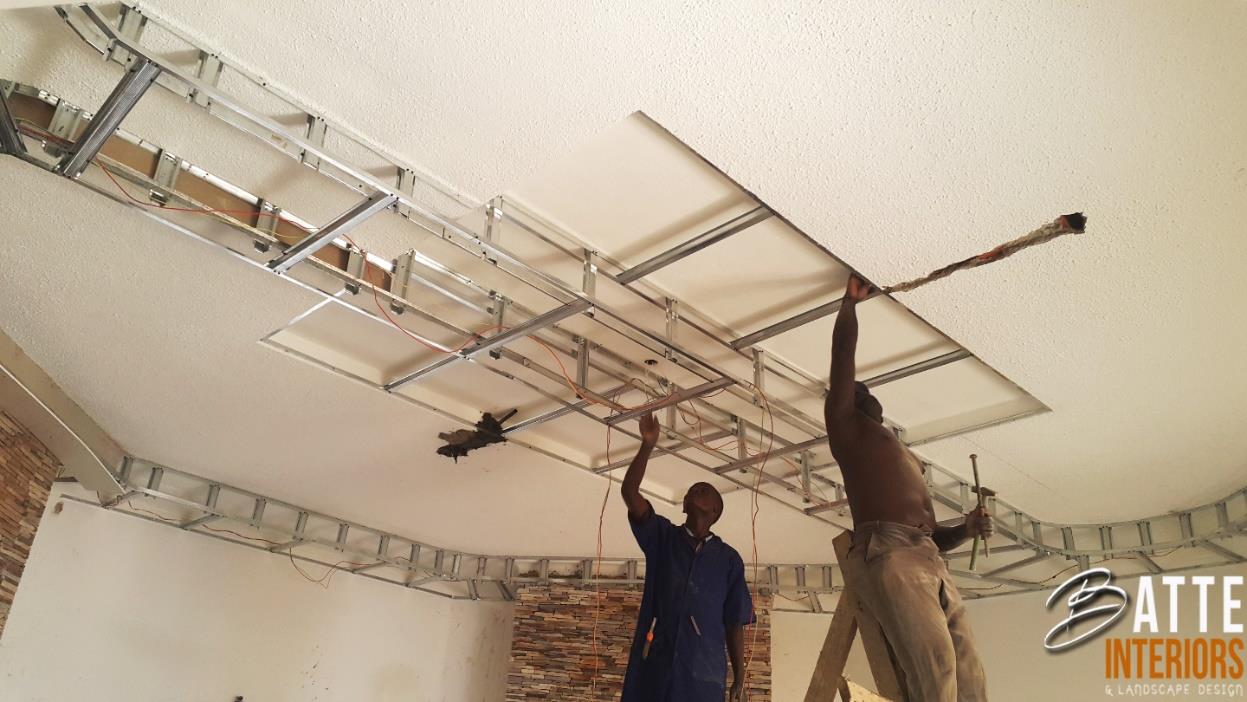
A renovation is the one moment when addressing all of that is cheap, because the walls are already open and the floors already up. Re-wiring a house whose walls have just been skimmed and painted is a demoralising expense, and clients who deferred it invariably wish they had not.
Draw the new positions properly on electrical and plumbing plans while the layout is being settled, rather than deciding socket locations with an electrician standing in the room.
Sequence Matters More Than in New Build
Renovation trades interfere with each other, and the order is unforgiving:
- Strip out and demolish what is going.
- Structural work — beams, openings, anything holding the building up.
- Roof and damp repairs. Never finish a room under a roof that leaks.
- First fix — the wiring and pipework that live inside walls and floors.
- Plaster, screed, and ceilings.
- Second fix — fittings, sockets, sanitaryware.
- Joinery, flooring, and decoration.
- Snagging.
The classic error is decorating a room early, to see progress, and then damaging it while working on the next one.
Budget for What You Find
Renovation budgets need a contingency, because the survey cannot see through every wall. Rot in a roof timber, a waste pipe running where you wanted a doorway, wiring that fails inspection — these are normal, not exceptional.
Set money aside for them deliberately. A budget with no contingency does not avoid these costs; it just means they arrive as a crisis and get paid for by cutting something you wanted.
A BOQ helps considerably here, because when something unexpected appears you can see immediately what the change costs against agreed rates.
Decide What You Are Keeping
Not everything old should go. Solid hardwood joinery, terrazzo floors, mature trees in the compound, and generous room proportions are things a new build in the same budget will not give you.
The renovations that succeed are usually the ones that identified early what was worth keeping and designed around it, rather than stripping everything to a blank shell and then paying to recreate character.
Living Through It, or Not
Be honest about whether you will occupy the house during works. Living in a renovation is possible in phases, and it lengthens the programme and raises the cost, because trades work around you and around each other.
If moving out for the disruptive phase is feasible, the build is faster and usually cheaper. Weigh that saving against the alternative accommodation before deciding.
You can see a residential renovation in our portfolio and before-and-after transformations on our before and after page. If you are considering a renovation, get in touch — the survey is the right place to start.

More Reading
Related Articles

Not Sure Which Service You Need?
Start with a consultation — we'll scope the right package for your space and budget.
Request a Consultation